RFP Intelligence
Turn a multi-file pack into traced requirements a reviewer can still correct.
- RFP document ingestion and analysis
- Requirement extraction and classification
- Requirement traceability
- Multi-document analysis
AI-powered bid intelligence
Extract requirements, reuse approved responses, identify delivery gaps, and connect project planning with commercial decisions in one governed workspace.
Connect requirement evidence, compliance decisions, delivery planning, and commercial review without fragmenting the bid across disconnected spreadsheets.
Major capabilities first. Each group links to the product pages that already exist — not a second sitemap of equally large cards.
Turn a multi-file pack into traced requirements a reviewer can still correct.
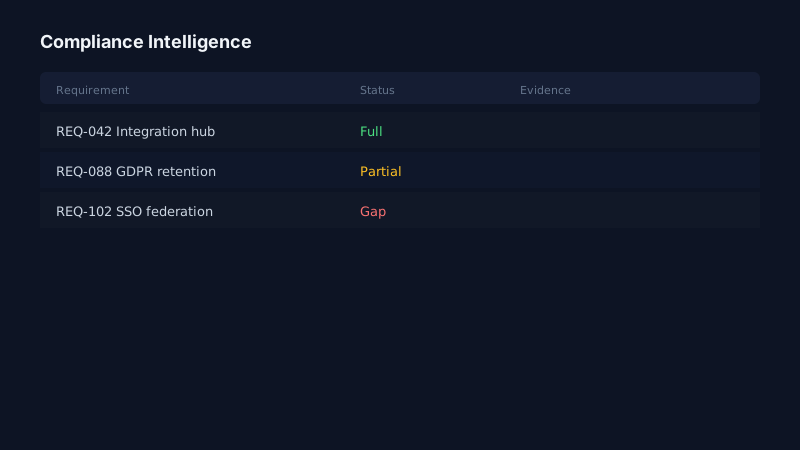
Draft the matrix from approved history. A named owner still accepts each row.
Keep unmet obligations as gaps with owners instead of marking them compliant.
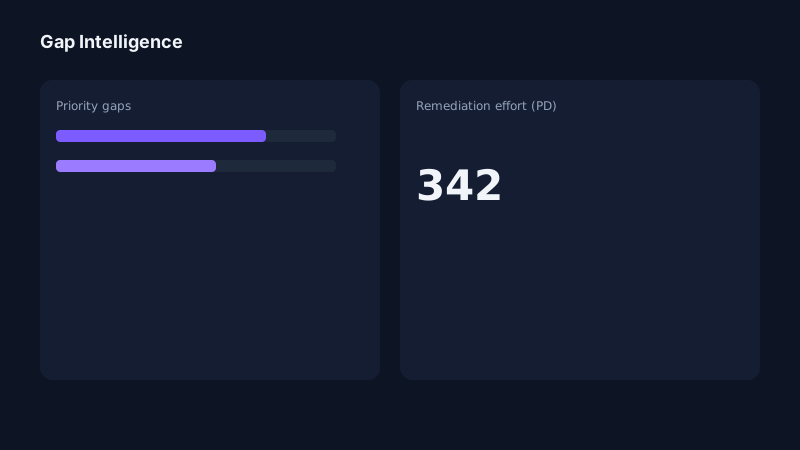
Connect material gaps to WBS, milestones, and a critical path the team can challenge.

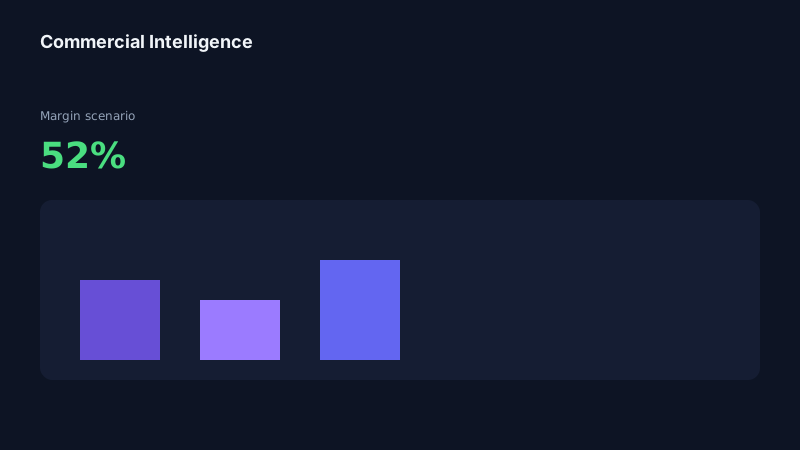
Attach rate assumptions to gap effort. Public calculators are estimates from your inputs.
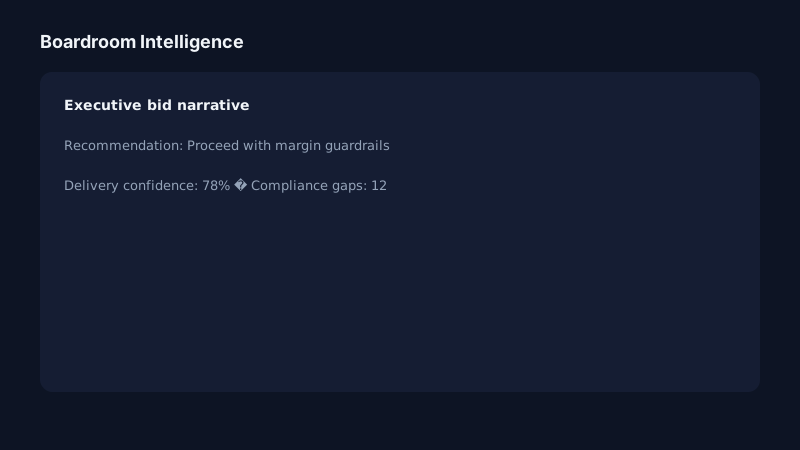
One boardroom view of compliance, gaps, and financials before a go or no-go.
BidosAI drafts. A named owner still accepts the row. This page does not claim a compliance attestation such as SOC 2 on the strength of the product existing.
Connect requirements and proposed responses to source sections and approved historical content where the obligation matches.
Ownership, review status, and human acceptance stay visible on the matrix and the gap list before export.
Link compliance gaps to delivery effort, planning assumptions, and commercial review in the same workspace.
Explore a sample bid workspace. The public workspace is demonstration data. It has not analyzed your documents.
Try Interactive DemoBidosAI drafts the working list: requirements extracted from the pack, a compliance matrix proposed from approved historical answers, a gap list, and first-pass effort and commercial scenarios. A named reviewer still accepts, edits, or rejects each row before a submission document is treated as ready.
Reuse is a library of answers your organization has already approved, not a scrape of the public web. Autofill proposes a match only where the new obligation looks like a prior row, and it keeps the evidence link attached so a reviewer can see why.
Yes. Autofill is a draft tied to a source. A person reviews the row, the evidence link, and the gap before anything is exported as a submission pack.
Extraction assigns each requirement an identifier that points back to a source section in the uploaded pack. Compliance rows that reuse history keep that source plus the prior evidence link. Reviewers still correct a split that merged two obligations or missed a table in an annex.
Unsupported requirements stay gaps with owners. Delivery planning then places effort on those gap rows — phases, dependencies, and a work breakdown — instead of costing the whole RFP as if every line were already covered.
Yes, inside the workspace. Commercial intelligence attaches rate assumptions to gap effort and shows margin scenarios. Browser-side calculators on this site are estimates from the numbers you type. They are not a quote.
No. The public demo workspace is precomputed demonstration data. Uploading and processing a confidential RFP is not part of the public marketing site. Request a demo if you want a guided walkthrough on sample data.
See how BidosAI can help your team connect requirements, evidence, delivery planning, and commercial review.
Book Enterprise Demo